Siding That Closes Back Up Correctly
Storm-Damaged Siding Repair in Dayton for cracked, missing, or impact-fractured panels after wind and hail events
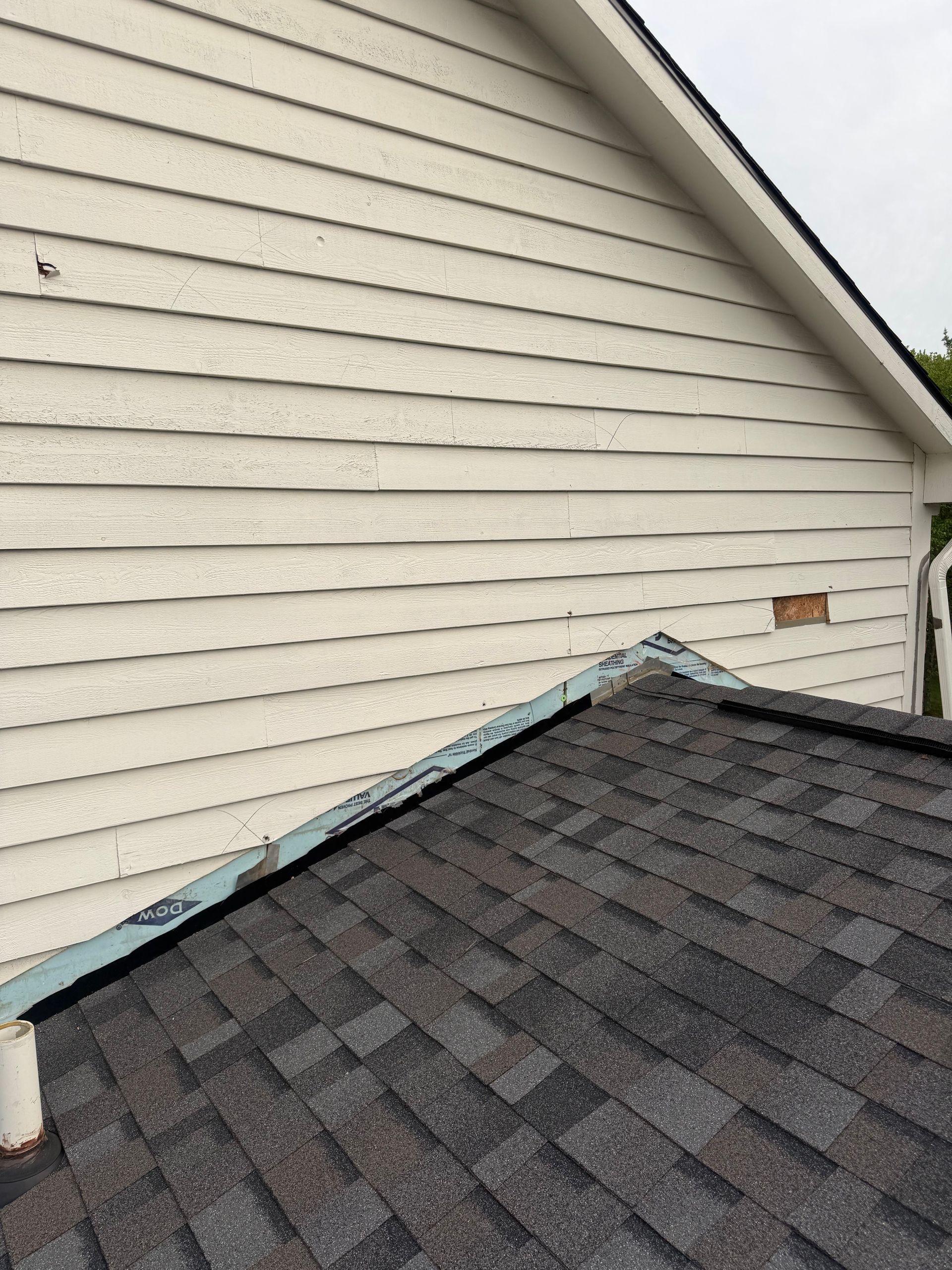
A fractured or displaced siding panel is not only a cosmetic problem—it is an opening in the exterior assembly that allows water to reach the sheathing and housewrap beneath. PNG Builders repairs wind and hail damage to residential siding in Dayton, replacing cracked, missing, or dented panels and restoring the exterior layer that protects the wall system underneath. The repair process matters as much as the replacement panel itself: siding that is reinstalled without addressing the fastening zone or the underlying substrate can shift again under the next wind event or allow water infiltration to continue at the edges.
The work begins with an assessment of the damaged sections to determine whether panels are surface-fractured, fully displaced, or hiding substrate damage beneath them. Hail impact, in particular, can leave panels that look intact from a distance but are cracked through or have lost their interlock at the seam. Panels are matched to existing siding in material, profile, and color before installation, and the surrounding courses are checked for proper alignment so the repaired section blends into the existing field rather than reading as a patch. On Dayton's housing stock—which includes a substantial number of vinyl-clad homes built from the 1960s through the 1990s—color and profile matching requires sourcing panels that align with the original installation spec.
Schedule an exterior inspection with PNG Builders to document the damage and determine the scope of repair needed before water infiltration reaches the wall assembly..
How Storm Siding Repair Restores the Exterior Layer
Siding repair after storm damage involves more than swapping out the visible panel. The fastening strip at the top of each course has to be engaged correctly, the interlock at the bottom must seat fully into the panel below, and the surrounding courses need to be checked to ensure they were not loosened or shifted by the same impact or wind load. A panel that is installed without checking adjacent courses can create a gap that is invisible from the ground but allows water to travel laterally behind the siding.
Once repairs are complete, the exterior surface should show a continuous, uninterrupted profile across the repaired section—no visible seam differences, no misaligned shadow lines, and no color breaks that draw attention to the repair area. PNG Builders sources replacement panels to match the existing profile and finish, which is the detail that determines whether a repair is noticeable after the fact. In cases where an exact match is no longer manufactured, alternatives are evaluated for profile compatibility before installation begins.
Repairs also include resealing any penetrations at trim interfaces and checking the condition of flashing at windows and doors within the damaged zone, since storm events that displace siding often disturb adjacent flashings as well. The scope of each repair is defined by what the wall system requires to function correctly, not only by what is visibly damaged from street level..
Answers About How the Work Is Done
These questions cover what storm-damaged siding repair involves, how decisions are made during the work, and what a completed repair looks like on residential properties in Dayton.
What is checked beneath the damaged panels before new siding is installed?
The sheathing and housewrap are inspected for water damage or tears, because covering compromised substrate with new siding traps any existing moisture and accelerates rot in wood-sheathed walls.
How is replacement siding matched to existing panels?
Profile, exposure width, and finish texture are compared against the existing installation, and panels are sourced to align with those specifications before any removal begins so the finished repair integrates with the surrounding field.
Why do adjacent courses need to be checked during a focused panel repair?
Wind events that displace one or two panels often loosen the fastening on neighboring courses without fully detaching them, and those partially engaged panels will shift or leak before the next storm reaches the area.
What does a properly interlocked vinyl siding course look like after installation?
The bottom hem seats fully into the panel below with a firm click and no visible gap at the seam, and the panel lies flat against the wall without buckling or bridging at the fastening strip.
How do hail impacts affect siding panels that do not appear visibly cracked?
Hail can fracture the vinyl at the impact point without fully breaking through, leaving a stress crack that opens further as the panel expands and contracts with temperature changes over the following months.
PNG Builders handles storm-damaged siding repair for homeowners across Dayton whose exterior panels have been fractured, displaced, or compromised by wind and hail. Request an inspection to review the damaged sections and get a clear picture of what full restoration of your exterior layer requires.