A Solid Exterior Finish Built to Last
Stucco siding in Dayton for homes where cracked, failing, or outdated exterior surfaces are compromising the wall assembly
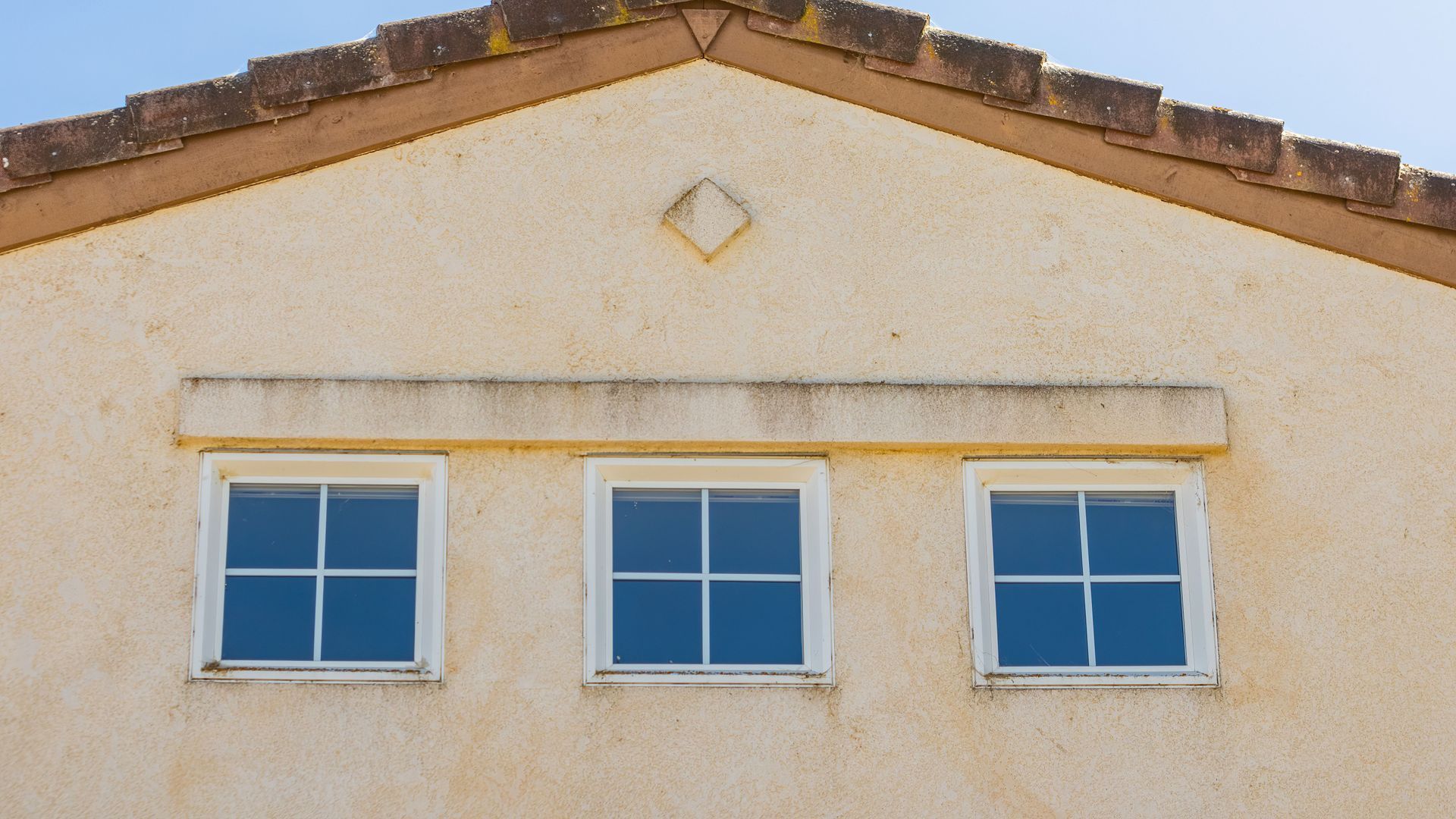
Stucco siding is applied in layers over a prepared substrate, producing a monolithic exterior wall finish with genuine mass and texture that sets it apart from paneled or lapped cladding systems. PNG Builders installs stucco siding for Dayton homeowners looking for a durable, custom-finish exterior that can be troweled to a range of textures and finished in virtually any color without relying on applied paint film alone for color retention. The mass of a properly applied stucco system—typically three coats over metal lath—means the wall surface resists minor impacts and surface abrasion in ways that thinner cladding materials do not.
Stucco installation requires careful attention to the substrate below the lath layer. On Dayton properties with older wood-framed walls, the sheathing condition and the continuity of the water-resistive barrier behind the lath are the two variables that most affect how a stucco system performs over time. A lath layer applied over compromised sheathing or an interrupted moisture barrier produces cracks at the bond line within a few years, which is the failure mode most often seen on mid-century residential stucco applications where the original installation skipped one of those substrate steps. PNG Builders evaluates the wall assembly before the lath goes up, because correcting those conditions first is what separates a stucco installation that holds its integrity from one that needs patching within a short time.
Set up a wall assessment with PNG Builders to review your home's exterior substrate and discuss texture and color options for your stucco project..
The Difference Between Correct Stucco and a Surface Application
A traditional three-coat stucco system consists of a scratch coat, a brown coat, and a finish coat, each applied at a specific thickness and cured to a defined point before the next coat is applied. Rushing the cure interval between coats is the single most common cause of delamination and surface cracking in stucco work, because each coat must reach sufficient compressive strength before it can support the layer above without flexing. The finish coat is where custom texture and integral color are introduced—a smooth trowel finish, a sand finish, a dash finish, or a skip-trowel pattern each require different application technique and produce different light-and-shadow readings on the finished wall.
After a properly installed stucco system cures, the exterior reads as a single, continuous surface without seams, laps, or panel edges—the wall plane looks intentional and solid rather than assembled. Where old cladding had visible fastener lines, panel joints, or surface discoloration from failed paint, the stucco replacement presents a uniform face that holds its color without the surface film peeling that affects paint on wood or vinyl siding. PNG Builders works through color selection using integral pigment rather than relying solely on a topcoat, which means the color extends through the finish layer rather than sitting on top of it.
Control joints—deliberate score lines placed at intervals in the stucco surface—are a required part of a correctly detailed installation rather than a cosmetic choice. Without them, thermal movement in the wall assembly concentrates stress at random points and produces irregular cracking. Placement of control joints is determined by wall dimensions, window and door openings, and the geometry of the building, and a correctly planned joint layout keeps the stucco surface crack-free at predictable locations rather than at arbitrary ones..
Questions Before Starting Your Project
Stucco involves a multi-step application process where each layer depends on the one before it. The questions below address how the work is performed and what to evaluate once the installation is finished.
Why does the water-resistive barrier behind the lath matter so much in stucco installation?
The WRB is the last line of defense against moisture that penetrates the stucco layer at cracks or control joint edges—if it is missing, lapped incorrectly, or torn during lath installation, water reaches the sheathing and begins deteriorating the wall assembly from the inside out, which is a common finding on older Dayton homes with original stucco that has never been re-clad.
How are custom textures applied, and what affects the consistency of the finish?
Texture is created during the finish coat by varying the trowel technique, the moisture content of the mix, and the timing of the application—a consistent texture across a large wall section requires the same applicator working at the same pace, because texture applied in sections at different stages of set produces visible tonal variation when light rakes across the surface.
What is the role of metal lath in a stucco system, and how is it installed correctly?
Metal lath is mechanically fastened to the wall framing at regular intervals through the WRB, and the lath sheets are lapped so the scratch coat bonds to a continuous reinforcing mesh—lath that is fastened only to sheathing rather than to studs will flex under the weight of the scratch coat and cause delamination before the system fully cures.
How do you evaluate whether a finished stucco installation has bonded correctly?
A properly bonded stucco system produces a consistent sound when tapped—a hollow sound at any section indicates delamination between the brown coat and the scratch coat, a condition that requires cutting out and patching the affected area before the problem progresses.
What maintenance does a stucco exterior require after installation is complete?
Hairline cracks that develop at control joint edges or window surrounds over the first year of settling are sealed with a flexible elastomeric caulk matched to the finish color—larger cracks that run through the finish and brown coat indicate a substrate or bond issue and require evaluation of the underlying cause before surface sealing is effective.
PNG Builders manages stucco siding installations through every stage of the process, from substrate preparation through finish coat and control joint detailing. Speak with PNG Builders about your exterior wall conditions and the texture and color options available for your home's stucco project.