
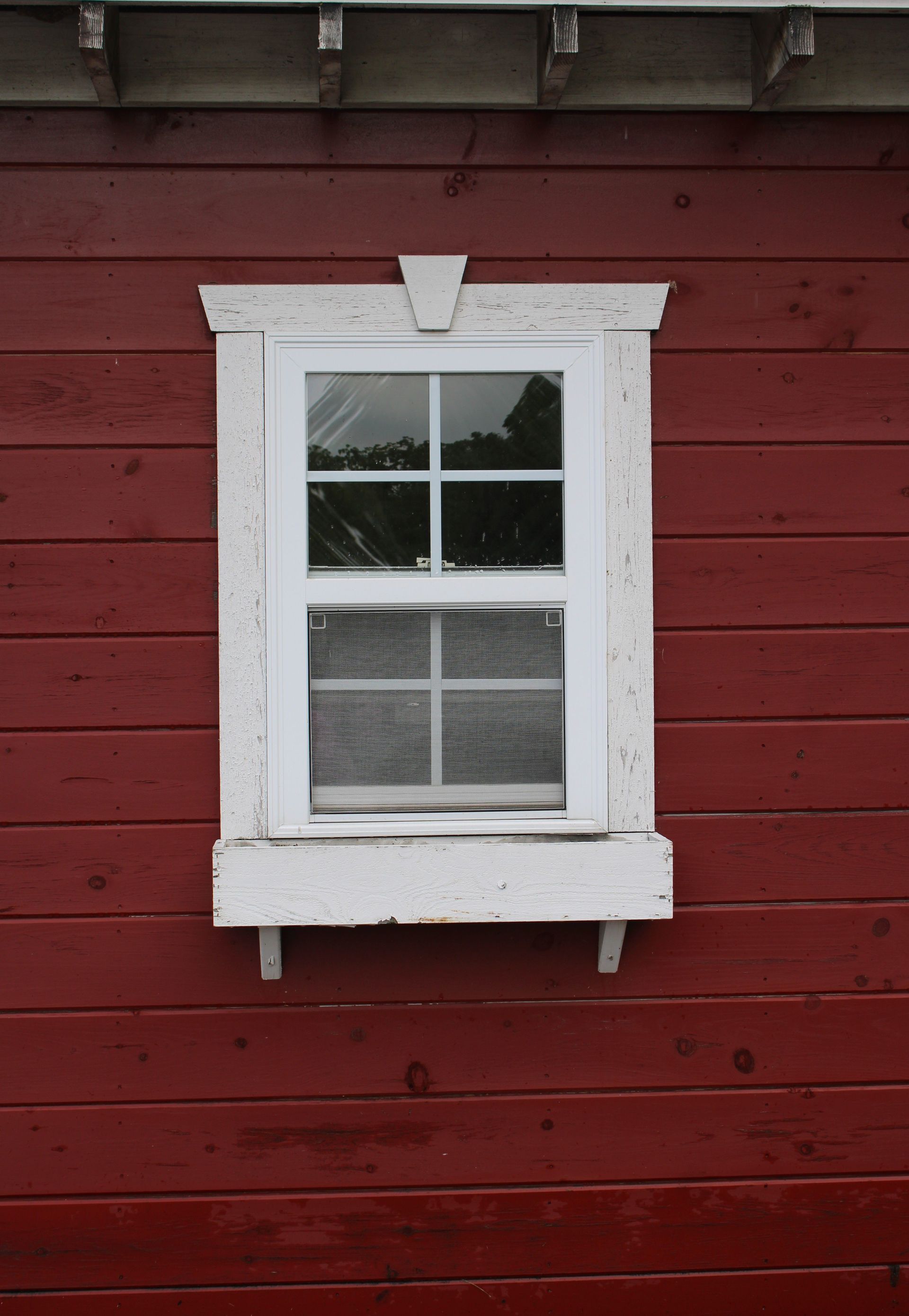
Rotted Trim Fixed Before Wall Damage Follows
Exterior trim repair in Dayton for fascia, soffit, window casing, and corner boards showing rot, separation, or moisture damage
Exterior trim repair involves removing deteriorated wood at fascia boards, soffit panels, window and door casings, and corner boards, addressing any rot that has spread to the framing beneath, and installing replacement material that closes the opening against moisture entry. PNG Builders performs exterior trim repair in Dayton for homeowners dealing with fascia rot behind gutters, failed caulking around window surrounds, and soffit panels that have separated from framing or show active water staining. When trim rot at these locations is caught before it reaches the wall sheathing or roof deck, the repair scope stays contained—the longer it’s deferred, the more structural material gets involved.
Fascia rot tends to develop gradually behind gutter systems that hold debris and retain water against the board face—by the time the damage is visible from the ground, rot has usually worked through the board’s full thickness and in some cases into the rafter tails behind it. PNG Builders assesses the extent of rot before demolition begins, because finding rafter tail damage changes the repair sequence and what additional work is required. Replacement trim is installed with proper back-priming on all cut ends and back faces, and flashing at window and door openings is addressed during the repair rather than simply covered over with new trim material.
Set up a trim inspection to identify where rot has progressed and what the repair will involve at each affected location.
What Properly Repaired Trim Actually Accomplishes
Exterior trim serves a functional role beyond appearance—it closes transitions between wall planes, seals the edges of window and door openings against water entry, and protects the top of the wall assembly at the roofline. PVC and composite trim products like AZEK are available as direct replacements for wood trim in most profiles, and they don’t absorb moisture, can’t rot, and hold paint adhesion more consistently than wood because the surface doesn’t expand and contract with moisture cycles. When replacing wood fascia with PVC on an existing home, the installation sequence includes back-caulking the profile against the rafter tails and using stainless or coated fasteners to avoid rust staining at the nail holes.
After trim repairs are completed, the gaps that allowed water to enter at window and door corners are closed, and the wall surface at those transitions reads flat and consistent without the paint failure and staining that compromised trim produces. Fascia boards that have been replaced sit flush against the rafter tails without the outward bow that occurs when water-saturated wood dries unevenly, and gutters reset against a sound fascia board drain correctly rather than pulling away from the fascia line.
Soffit panels at roof overhangs are checked as part of any fascia repair because the two components form a continuous assembly at the roofline—soffit damage often follows fascia rot because water running off a damaged fascia wets the underside of the overhang repeatedly. For homeowners planning exterior painting, completed trim repairs provide a clean, stable substrate that holds a paint film properly rather than requiring additional body filler or primer build-up to mask surface irregularities.
Common Questions About This Service
Exterior trim repairs on Dayton’s older housing stock often involve a combination of wood removal, substrate inspection, and material selection decisions that aren’t fully visible until the repair scope is opened up.
How far does rot typically spread from visible damage on a fascia board?
Rot in a fascia board usually extends beyond what’s visible at the surface—the outer face may look intact while the core and back face are significantly degraded. Probing the board with a thin probe along its length is the standard way to find where sound wood ends and deteriorated material begins before determining how much length needs replacement.
What is involved in replacing rotted window casing trim?
Window casing removal requires careful work around existing flashing at the head of the window, which is the primary defense against water entry above the opening. If flashing was not properly installed originally—a common finding on Dayton homes built before the 1980s—the repair includes correcting that condition before new trim is installed and caulked.
Why should trim be back-primed before installation?
Back-priming applies paint or primer to the back face and all cut ends before boards are installed, which seals the material against moisture absorption from the wall surface and end grain. Wood trim installed without back-priming absorbs moisture from behind, causing paint adhesion failure on the front face before the exterior paint system reaches the end of its normal service life.
How does PVC trim perform differently from wood at roofline applications?
PVC trim doesn’t absorb moisture from the wall surface or roof overhang above it, which is the primary reason wood fascia boards fail at those locations. Long horizontal runs require gapped joints at splices rather than tight butt joints to allow for thermal expansion movement that is more pronounced in PVC than in wood.
What preparation is needed before exterior paint can be applied to repaired trim?
Repaired trim surfaces need to be fully cured and dry, all exposed end grain and back faces should be primed, and any caulked joints must be fully closed and skinned over before a top coat goes on. When repaired sections are adjacent to existing painted surfaces, the paint at the transition edge is feathered to reduce the visibility of where new material meets old.
PNG Builders handles exterior trim repairs across Dayton, including fascia replacement, window and door casing work, soffit repair, and PVC upgrade installations. Arrange an inspection with PNG Builders to identify where trim damage is active and what each repair will involve.