Fiber Cement Built for Long-Term Performance
Hardie Board Siding in Dayton for properties requiring fire resistance, moisture durability, and minimal exterior maintenance
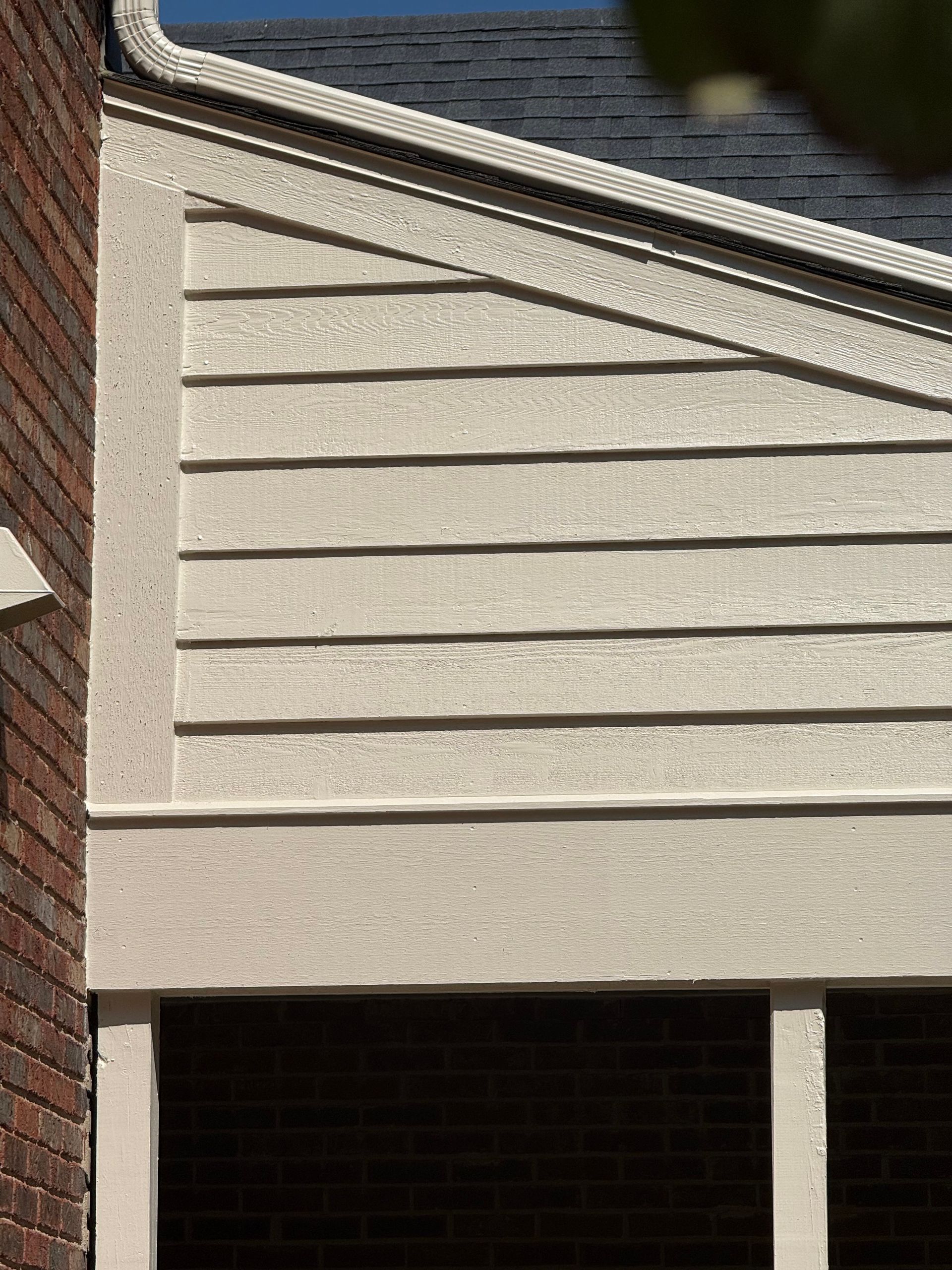
Hardie board siding is a fiber cement product made from sand, cement, and cellulose fibers, engineered to resist fire, moisture, and insect damage without the dimensional instability of wood or the brittleness of vinyl in cold temperatures. Installation demands precision—the material is heavy, requires specialized cutting tools to prevent dust, and must be fastened according to strict spacing guidelines to prevent cracking as the panels expand and contract with temperature changes. Homeowners choose this material when long-term durability outweighs installation cost, particularly on homes exposed to extreme weather or where fire ratings matter for insurance or zoning requirements.
PNG Builders follows manufacturer specifications during installation, ensuring panels are fastened to studs rather than sheathing alone, leaving proper edge clearances at corners and openings, and applying caulk only at designated joints to allow controlled movement. The experienced carpentry team cuts panels with carbide blades or shears to maintain clean edges, installs flashing behind all trim pieces before siding is applied, and finishes exposed edges with paint or sealant to prevent moisture infiltration at cut ends.
Arrange a consultation to review Hardie board options, discuss installation timelines, and evaluate how fiber cement siding addresses your home's specific exposure and durability requirements.
What Happens After Hardie Board Is Installed
Fiber cement siding remains dimensionally stable through Ohio's humidity swings and freeze-thaw cycles, so the material does not warp, buckle, or delaminate the way wood-based products can over time. The surface holds paint longer than wood siding because it does not absorb moisture that causes coatings to peel, and the material does not rot, attract termites, or burn if exposed to flame or radiant heat from nearby sources.
Once the installation is complete, your home's exterior shows clean lines and consistent color across all elevations, and the siding requires no sealing, caulking, or maintenance beyond occasional washing for years. You'll notice the material stays rigid in high winds, does not dent from hail or impacts, and maintains its profile without sagging or warping even on south-facing walls with full sun exposure.
Hardie board installation includes material delivery, cutting and fitting of panels, fastening to structural framing, installation of trim and corner pieces, and finish detailing around windows and doors. It does not include painting unless specified, though the siding is available primed or prefinished depending on the product line, and factory finishes carry longer warranties than field-applied coatings.
Questions Before Starting Your Project
Fiber cement siding involves different handling and installation requirements than other materials, so understanding those factors helps homeowners plan appropriately.
What installation techniques maximize Hardie board lifespan?
Fasteners must be placed within specified zones on each panel, edge clearances must be maintained at all joints, and any field-cut edges must be sealed or primed to prevent water absorption, since improper installation voids warranties and leads to premature cracking.
How does Hardie board perform in Dayton's seasonal temperature range?
The material tolerates both freezing winters and humid summers without dimensional changes that affect appearance or function, and it does not become brittle in cold weather or soften in heat like vinyl alternatives.
Why does fiber cement siding cost more upfront?
The material itself is heavier and more expensive than vinyl or engineered wood, installation requires specialized tools and more labor time, and proper fastening demands attention to spacing and alignment that increases project duration.
When should I repaint Hardie board siding?
Factory-applied finishes typically last 15 years or more before requiring recoating, while field-painted or primed siding may need repainting every 10 to 12 years depending on color choice and sun exposure.
What style and color options work with traditional homes?
Hardie board is available in lap siding, shingle profiles, vertical panels, and smooth or textured finishes, with a wide color range that includes earth tones, grays, and traditional whites suited to historic and contemporary architecture.
PNG Builders provides detailed craftsmanship and owner-guided consultation for Hardie board siding projects in Dayton, ensuring installations meet manufacturer standards and homeowners understand long-term value trade-offs. Request an estimate to explore how fiber cement siding improves your home's exterior durability and protection.