Damaged Siding Stopped Before Rot Sets In
Siding repair in Dayton for panels damaged by storm impact, cracking, or localized moisture intrusion
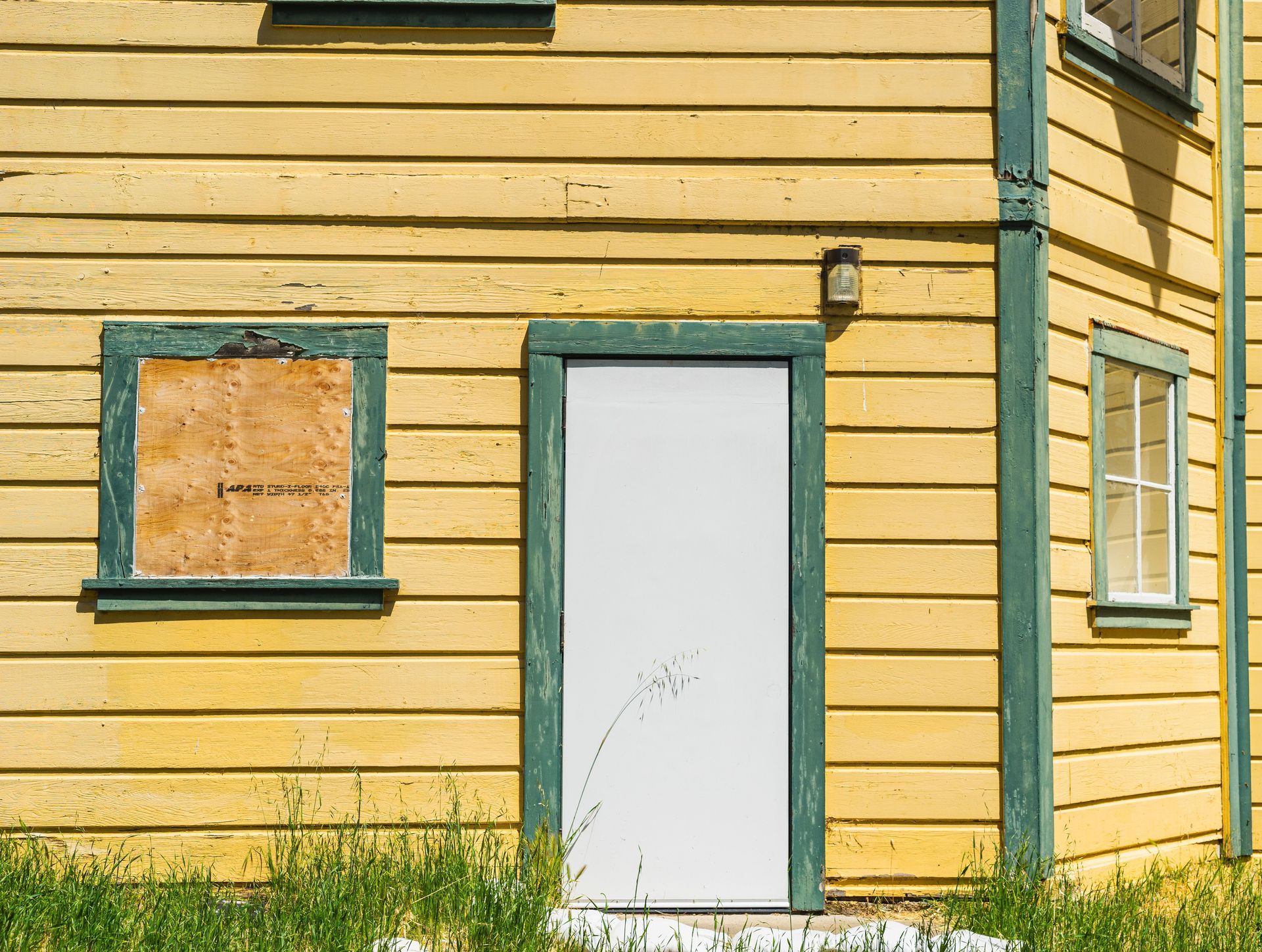
A cracked or displaced siding panel may look like a cosmetic issue, but the gap it creates in the wall’s drainage plane allows water to move behind adjacent panels and contact the sheathing beneath without any visible sign at the surface. PNG Builders performs siding repair in Dayton for homeowners dealing with storm-damaged boards, loose or detached panels, impact holes, and sections where water is tracking behind the exterior cladding. Vinyl and fiber cement both allow limited panel replacement without disturbing the rest of the installation, provided the replacement section is matched precisely to the existing profile and exposure.
Repair work begins with pulling back the damaged section to inspect the housewrap and sheathing directly—what looks like a single bad board often reveals that moisture has been working into the wall cavity behind multiple adjacent panels. Color and profile matching is one of the more technically demanding parts of a siding repair job: manufacturers update product lines regularly, and boards installed even five to ten years ago may require sourcing from specialty distributors or selecting a complementary profile rather than an exact one. For repairs following storm damage, documentation of the affected area—including photographs of damaged panels and the substrate behind them—is typically required when homeowners submit insurance claims.
Schedule a damage assessment to determine the full extent of affected panels and what the repair scope will involve.
What Delayed Siding Repair Allows to Develop
Water that moves behind siding doesn’t stop at the sheathing—it works into any gap in the moisture barrier, contacts framing members, and creates conditions for rot and mold that spread well beyond the original point of entry. When storm damage displaces multiple panels or creates an opening that allows bulk water entry, the sheathing directly behind that area typically absorbs moisture within the first rain event after the damage occurs. PNG Builders repairs damaged sections and replaces any compromised housewrap or sheathing material found during the work, rather than closing up the wall over existing moisture damage.
After repair, the wall reads consistent in profile and texture with surrounding undamaged sections, and interior wall surfaces near the affected area no longer show moisture tracking or staining. Panels are secured at manufacturer-specified fastener intervals so they don’t rattle or flex during wind events—a common issue when panels are reset but not properly fastened to framing.
Emergency repairs following active storm damage typically focus on closing the opening first to stop water entry, with color-matched replacement material installed once the wall has dried adequately and full inspection is complete. For insurance purposes, a written scope with photographs of the damage condition before work begins creates a cleaner record for the claims process.
Answers About How the Work Is Done
Siding repairs on older Dayton-area homes often involve additional considerations around matching existing material and addressing what water has already reached behind the damaged section.
How is replacement siding matched to an existing installation?
Matching requires identifying the existing siding profile, exposure width, and surface texture—information sometimes found on remaining undamaged panels or in original building documentation. When an exact match isn’t available, a complementary profile installed across a defined section between corner boards integrates more cleanly than a close-but-not-exact panel inserted into an existing run.
What gets inspected behind a damaged siding panel before new material is installed?
The housewrap beneath the damaged section is checked for tears and areas where water has been running along the surface rather than draining. The sheathing is probed for softness, and framing members within reach are checked for visible rot, especially near the bottom plate where moisture accumulates.
Why does siding repair need to happen quickly after storm damage?
Each rain event after the damage occurs moves more water behind the wall assembly, contacting the sheathing continuously until the opening is sealed. The difference between a repair involving one or two panels and one that requires sheathing and framing work often comes down to how long the opening was left unaddressed.
How is flashing handled around window and door openings during a siding repair?
Window and door penetrations are among the most common points where water finds a path behind siding, so repairs near those openings involve checking existing flashing condition before new panels are installed. If flashing was damaged or never properly installed—a common finding in Dayton homes built before the 1980s—it is corrected during the repair rather than covered over with new cladding.
What preparation is needed before a siding repair can be completed?
The work area needs to be accessible, and landscaping or exterior fixtures near the damaged section may need to be temporarily cleared. After wall opening inspection and any substrate repairs, new panels are installed, fastened, and caulked at all termination points before the crew leaves the site.
PNG Builders responds to siding repair needs across Dayton, including damage documentation for insurance claims and substrate inspection as part of every repair. Set up an assessment to get a complete picture of what the repair will require before any work begins.